Call Us

Floor & Wall Tiling · Dublin

Tiling That Starts Underneath

A tiled floor or wall only lasts as long as what sits behind it. We prepare the substrate first — levelling, priming, decoupling — then set porcelain, ceramic or stone across your hallway, living space and beyond. Fully insured, 15 years in the trade.

Call +353 87 720 9850
Professional floor and wall tiling in Dublin by GR Tiling
Clean & Tidy Work
Fully Insured
Irish Owned & Operated
Free Quotes
15 Years in the Trade

Where We Tile

From a single kitchen splashback to a full house renovation, we tile floors and walls across all types of rooms.
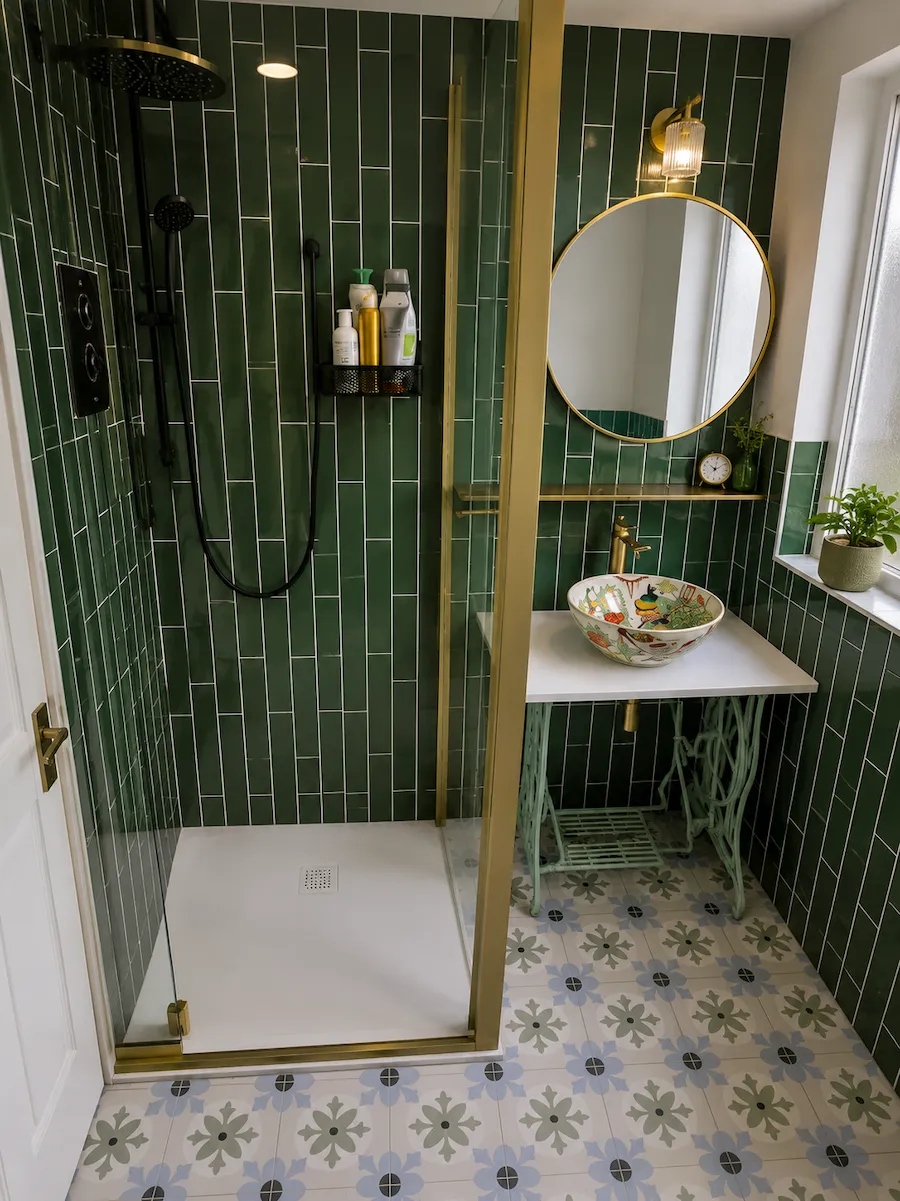
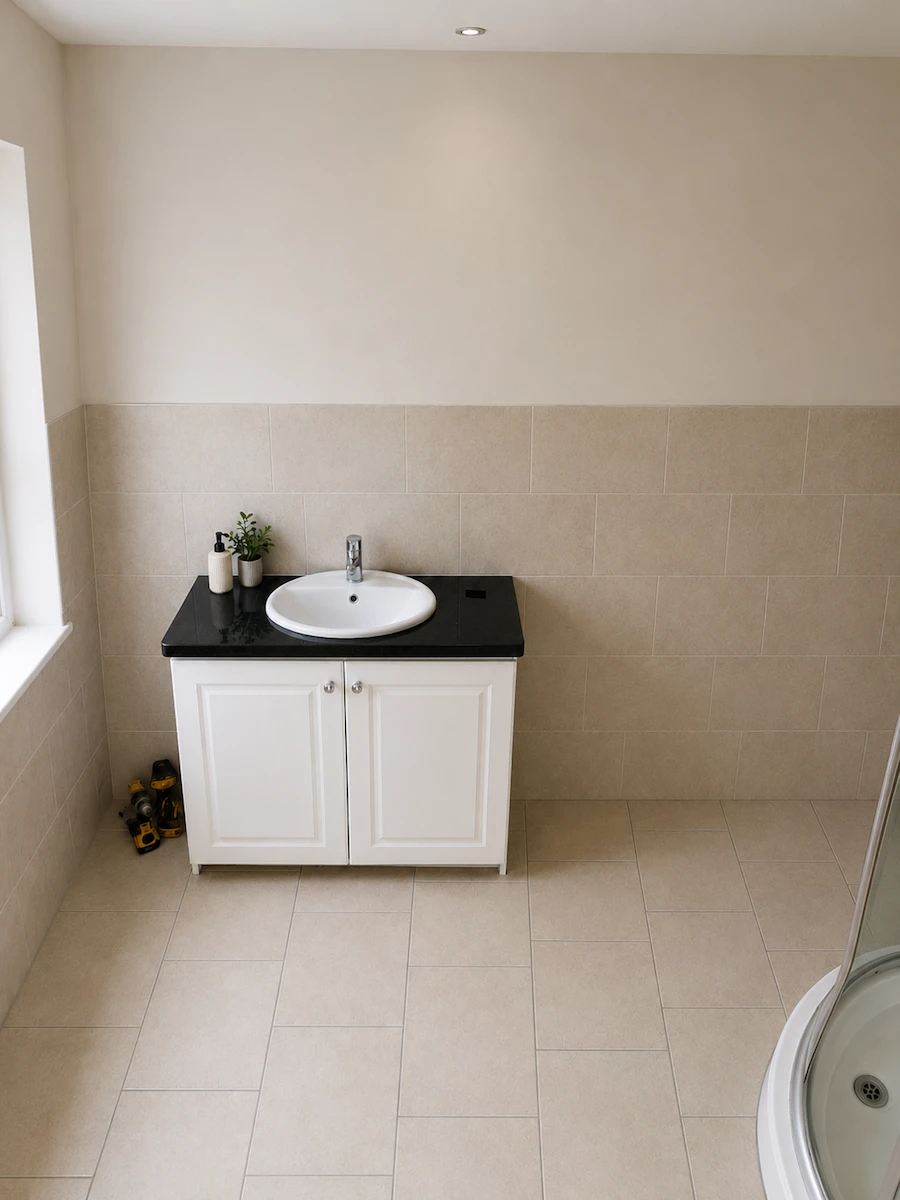
Bathroom tiling Dublin
Bathrooms
Learn More
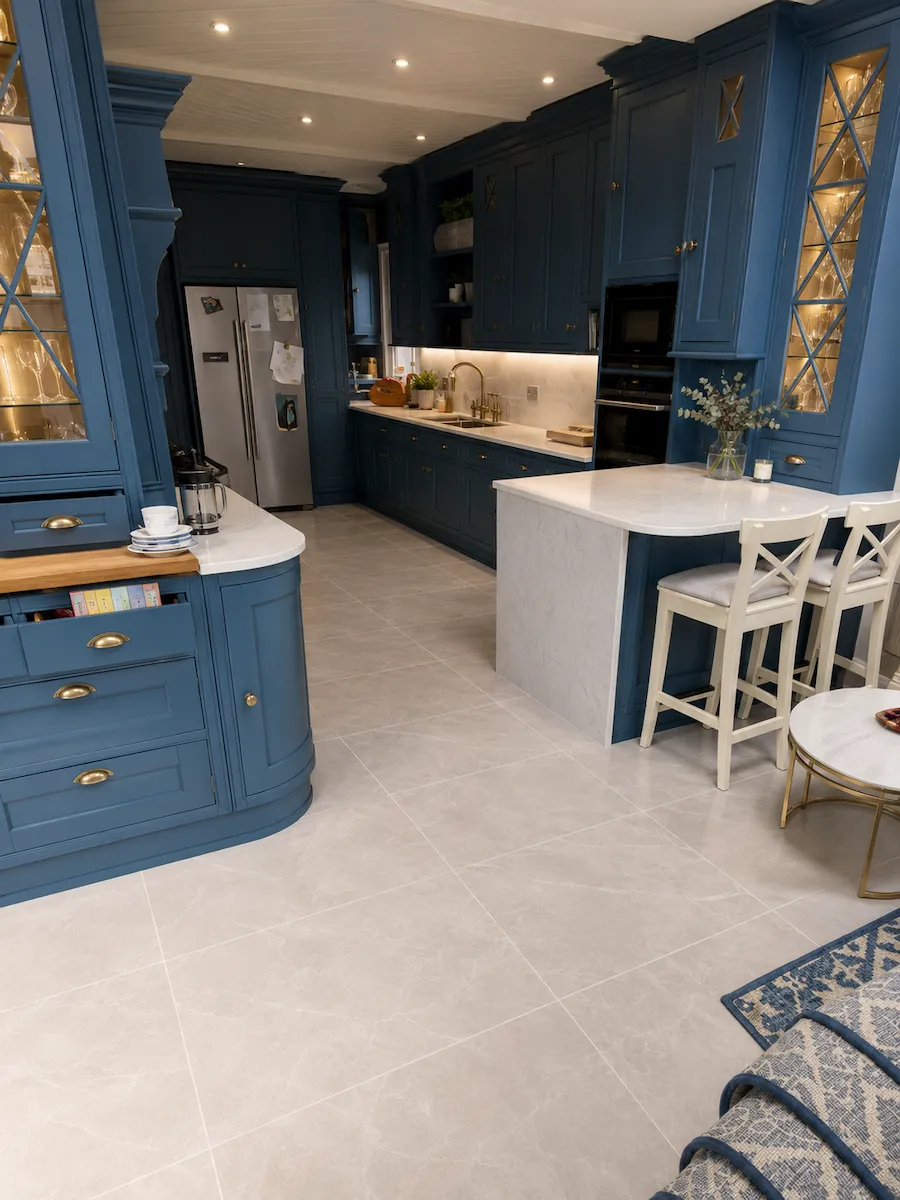
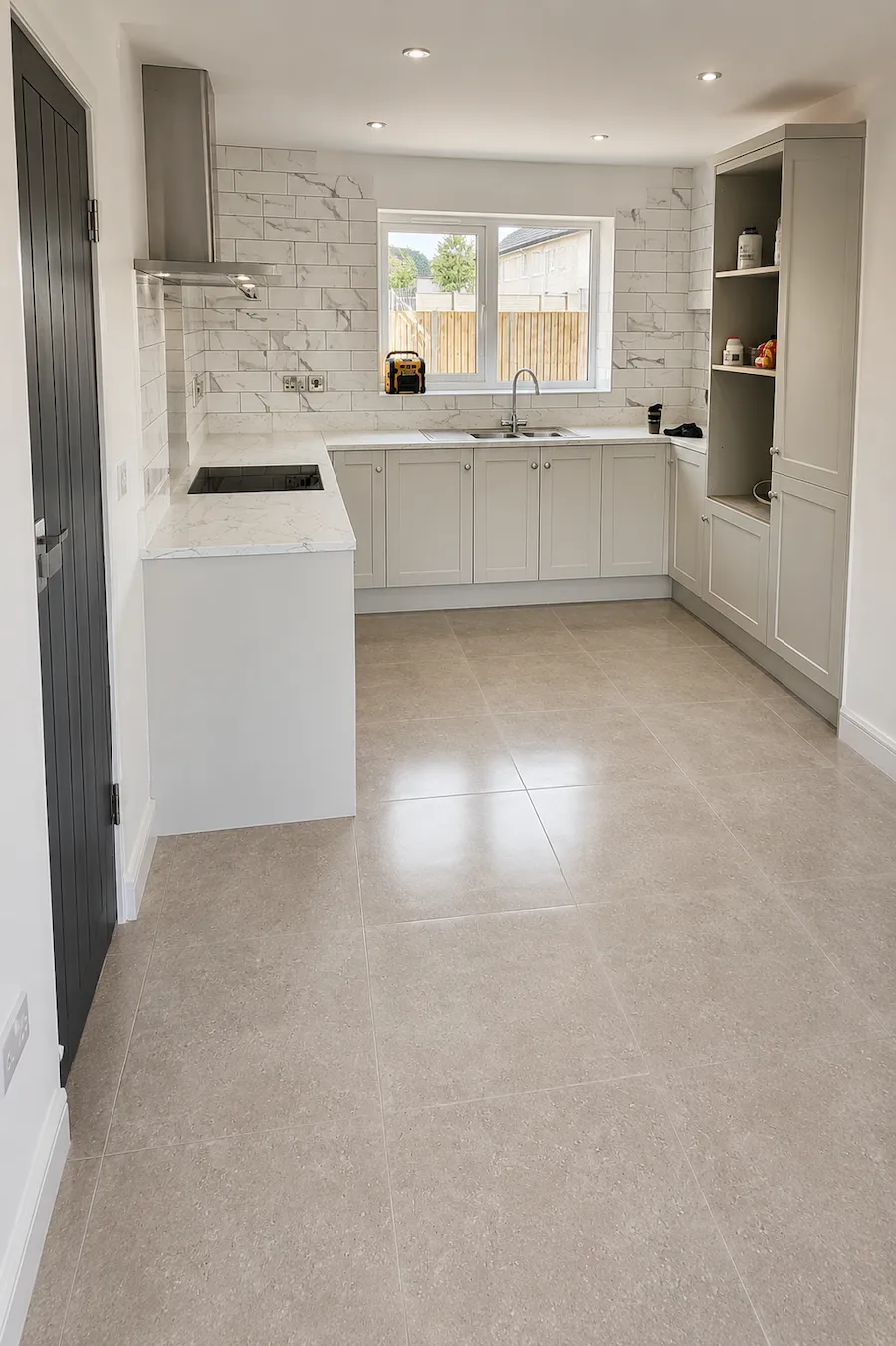
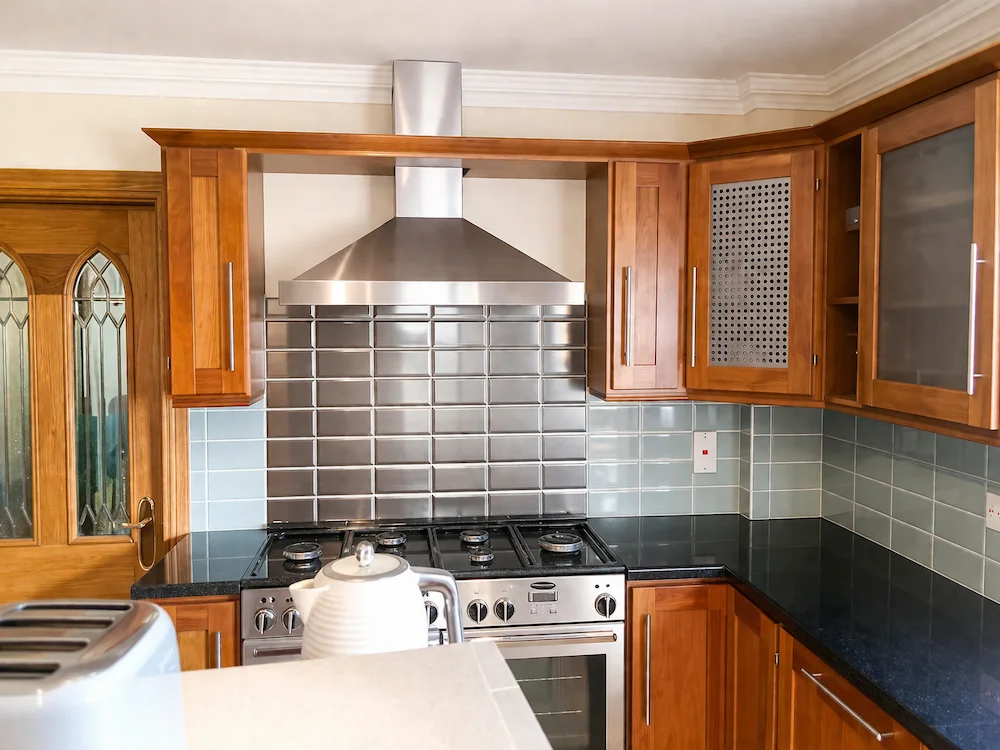
Kitchen tiling Dublin
Kitchens
Learn More
Hallway and floor tiling Dublin
Hallways & Floors

Porcelain, marble & more

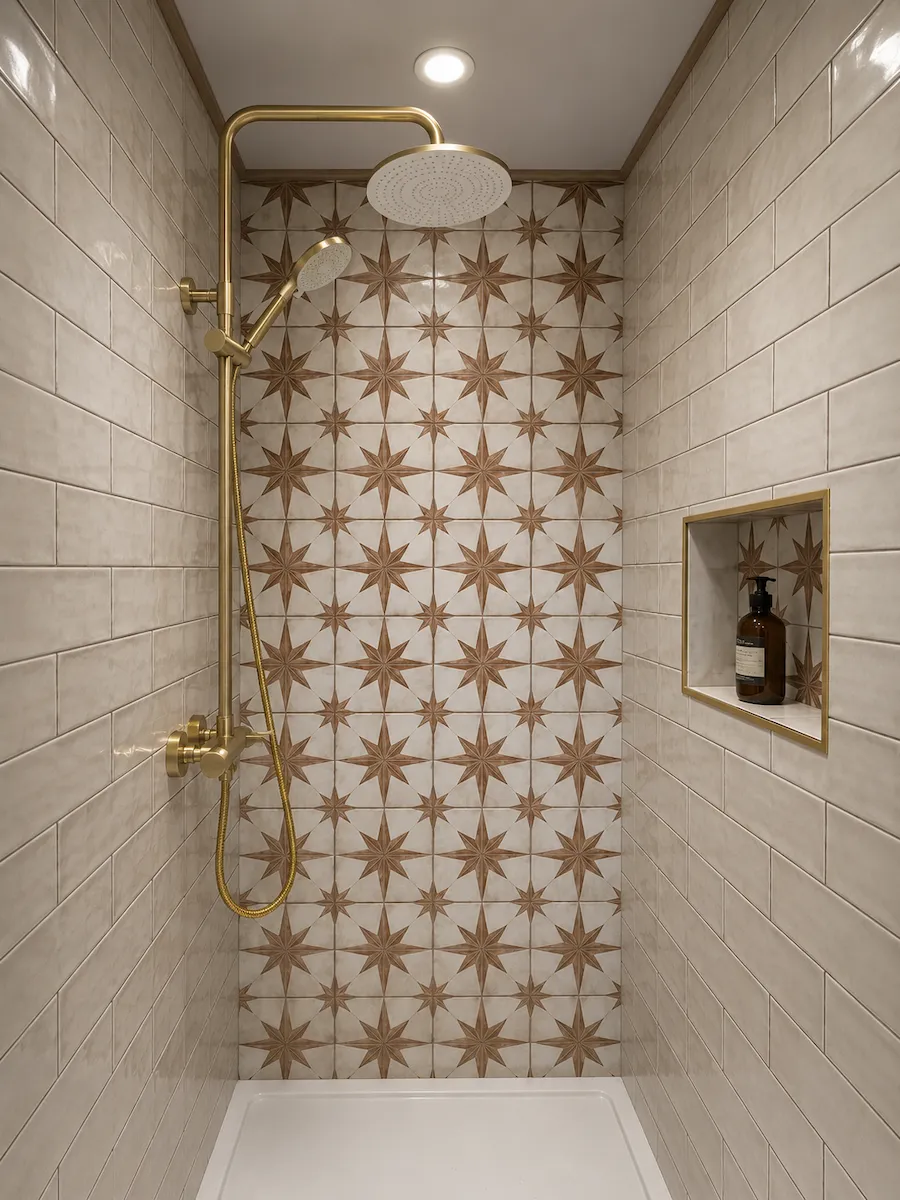
Shower tiling Dublin
Shower Areas
Learn More
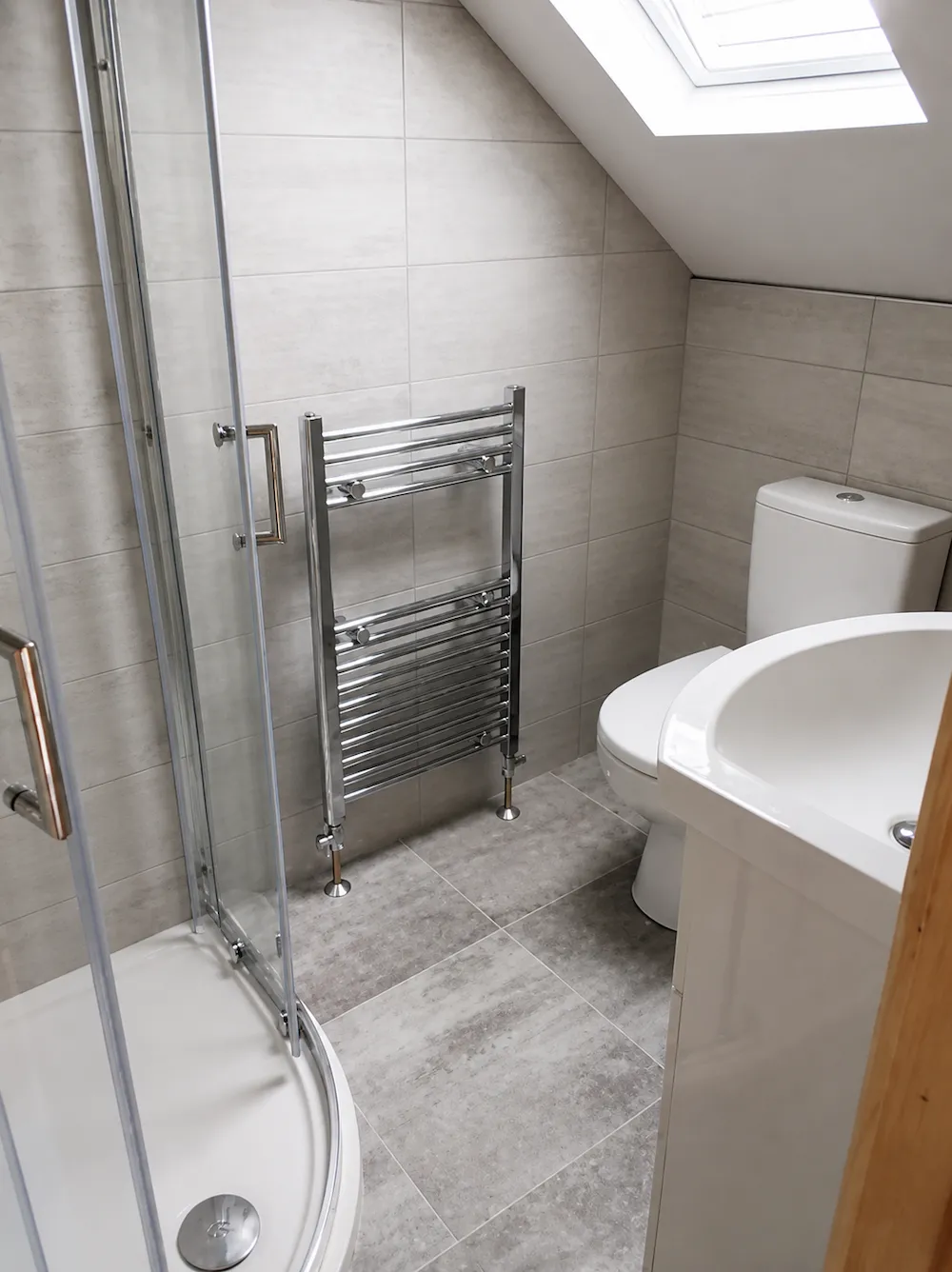
Ensuite tiling Dublin
Ensuites
Learn More
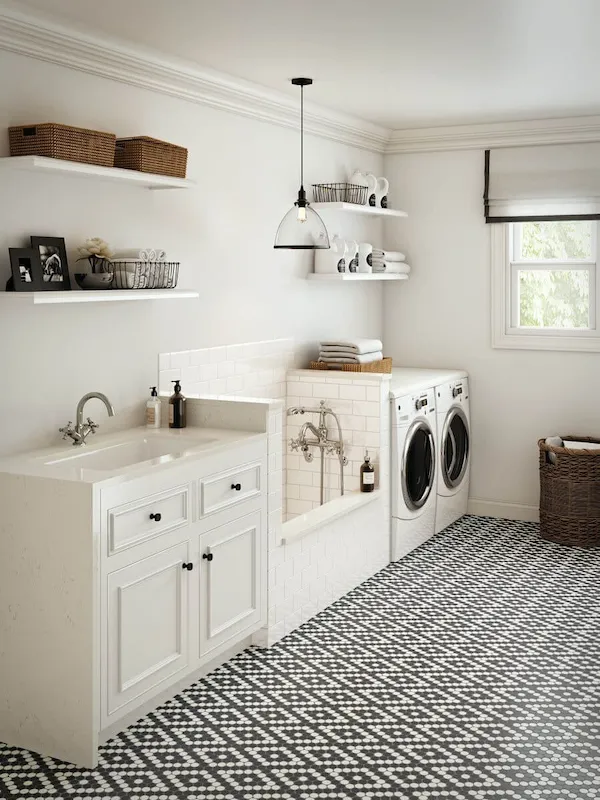
Utility room tiling Dublin
Utility Rooms

Practical, durable tiles

Tiling done on a substrate that will hold it

Most tiling we're called to fix has nothing to do with the tile — the tile's fine. What failed is underneath: a timber floor never stiffened, a wall the adhesive never gripped, a floor out of level that leaves tiles lipping. So we treat preparation as the job — read, primed, levelled, timber decoupled before anything rigid goes on.

For bathroom & shower tiling and kitchen splashbacks, the craft-specific details live on their own pages.

Substrate surveyed and primed before any tile is set
Floors levelled with self-levelling compound or latex screed
Suspended timber floors stiffened and decoupled, not just glued
Large-format tiles solid-bed fixed and back-buttered, no dot-and-dab
Perimeter and movement joints planned into the layout from the start
Setting-out signed off with you before the first tile goes down

How We Work

The same straightforward process on every job, big or small.

Survey & Substrate Read

We check the floor and walls for level, movement, damp and what the existing surface actually is before quoting.

Prep & Level

Timber decks are stiffened and decoupled, floors levelled and primed, backer boards fitted where the substrate needs them.

Set Out & Tile

Layout is agreed with you, then tiles are solid-bed fixed from the most visible line so no sliver cuts land at eye level.

Joint, Grout & Snag

We grout, silicone every movement junction, leave perimeter joints in, then walk the finished floor with you.

Choosing the right tile, adhesive and heating

The tile you pick changes how the floor is built. Porcelain shrugs off frost and stains — the default for a busy hallway; ceramic suits walls and light use; natural stone is beautiful but porous, needing sealing and care. Adhesive is matched to the substrate, and tile is ideal over underfloor heating.

  • Porcelain, ceramic or stone matched to the room's use and traffic
  • EN 12004 S1/S2 flexible adhesives on timber and stud substrates
  • BS 5385 movement joints at perimeters and heated edges
  • Underfloor heating tiled with flexible adhesive and grout, heated gradually
  • Natural stone sealed, with a clear care conversation first
  • Honest guidance on what drives tiling costs before you commit

Tiling over suspended timber floors

The most common way a floor fails in a Dublin terrace or 1930s semi is being tiled straight onto a timber deck that moves. Tile is rigid; joists notched by decades of plumbers flex underfoot, and that deflection cracks the grout first, then the tile. Fixing it properly is a sequence, not a product:

  1. 1Stiffen the deck — over-board, add noggins, sometimes sister joists — so it stops bouncing
  2. 2Bond down a decoupling membrane so board movement is absorbed, not transmitted into the tile
  3. 3Level any dips, because large-format tiles lip on an uneven bed
  4. 4Tile with a flexible S1/S2 adhesive and grout, perimeter movement joints left in

A flexible grout on its own does none of this — flexibility manages micro-movement, it doesn't carry structural deflection. If your existing tiles are sound but the odd one has gone drummy, replacing the whole floor is often the wrong call; see our full tiling services for the repair route.

Our Work

A sample of tiling projects completed for Dublin homeowners.
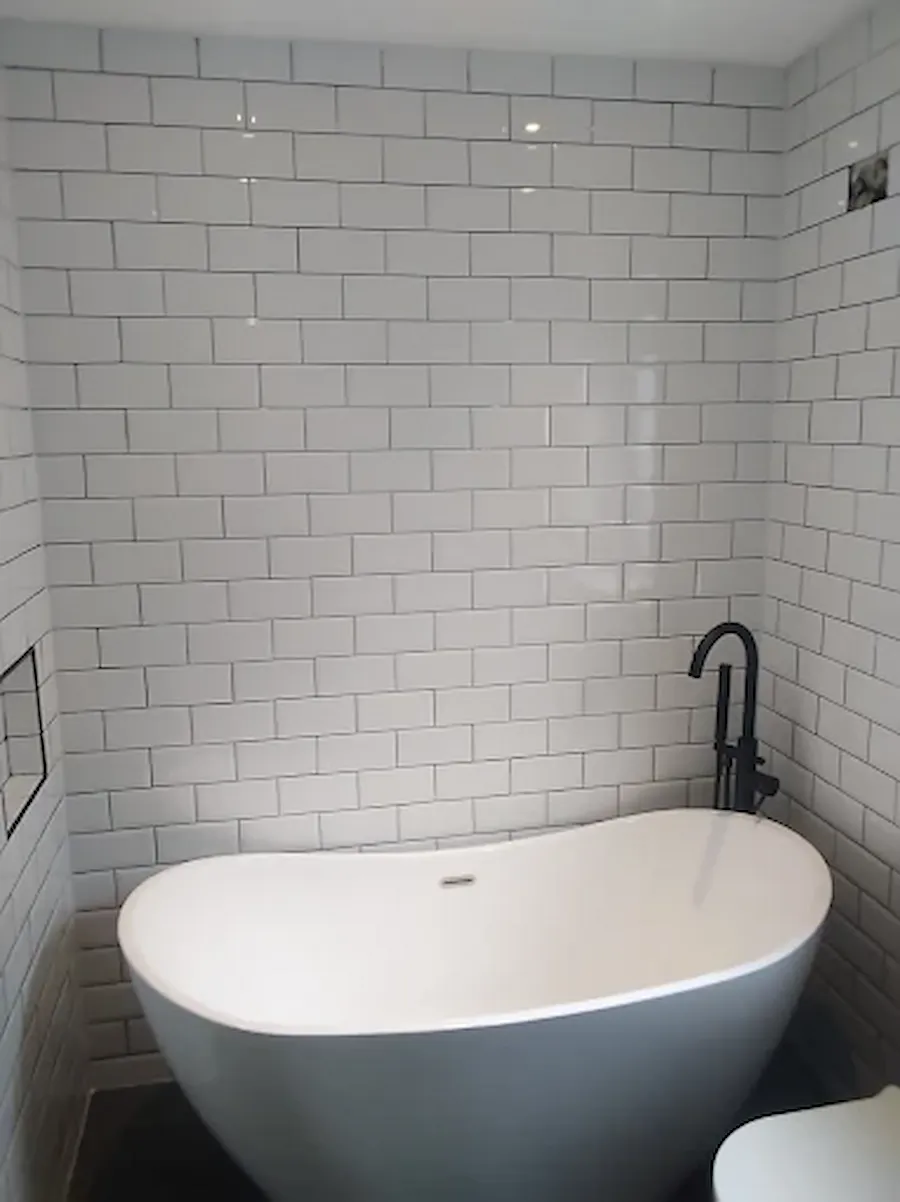
Wall tiling with consistent spacing, Dublin
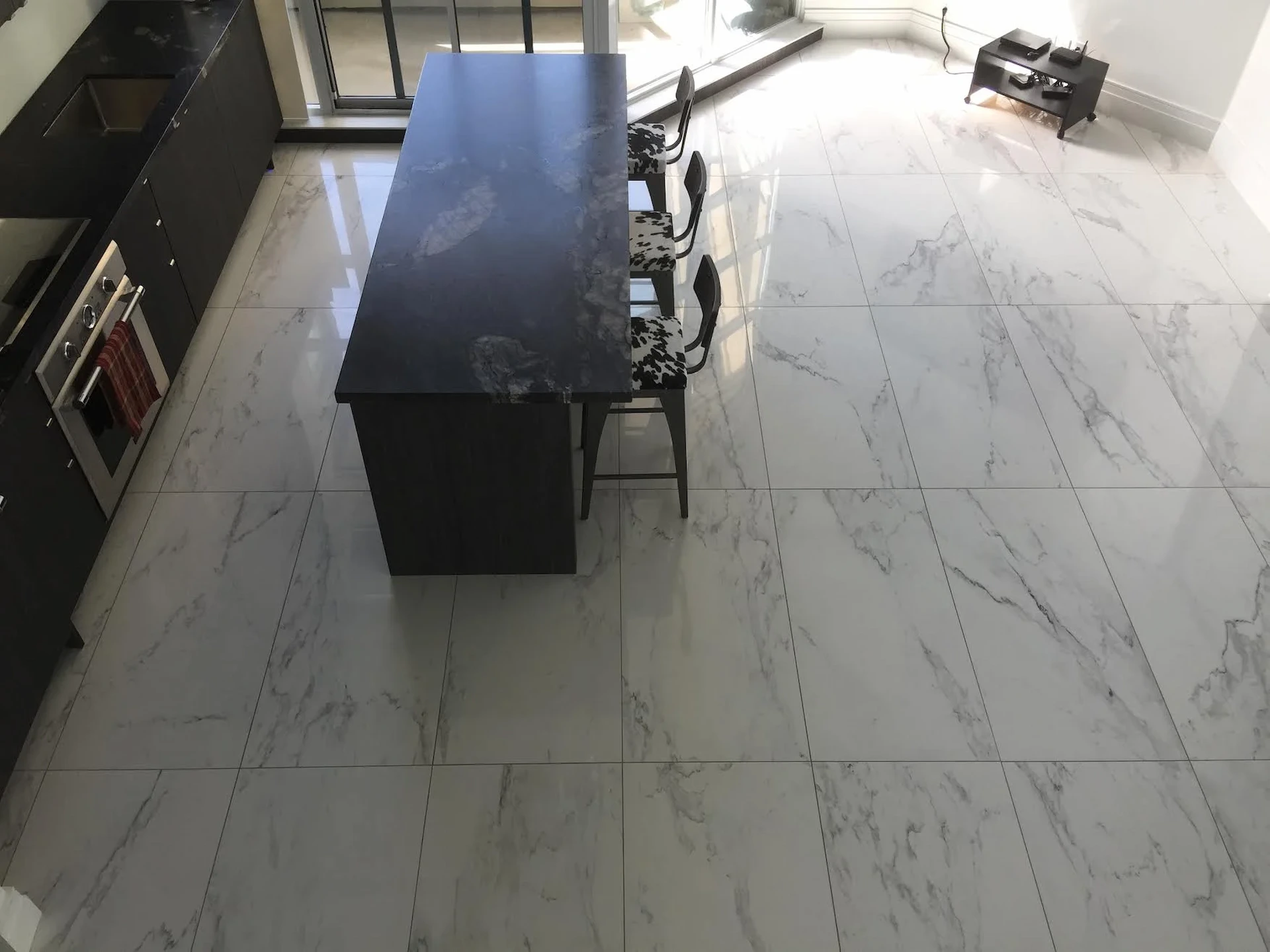
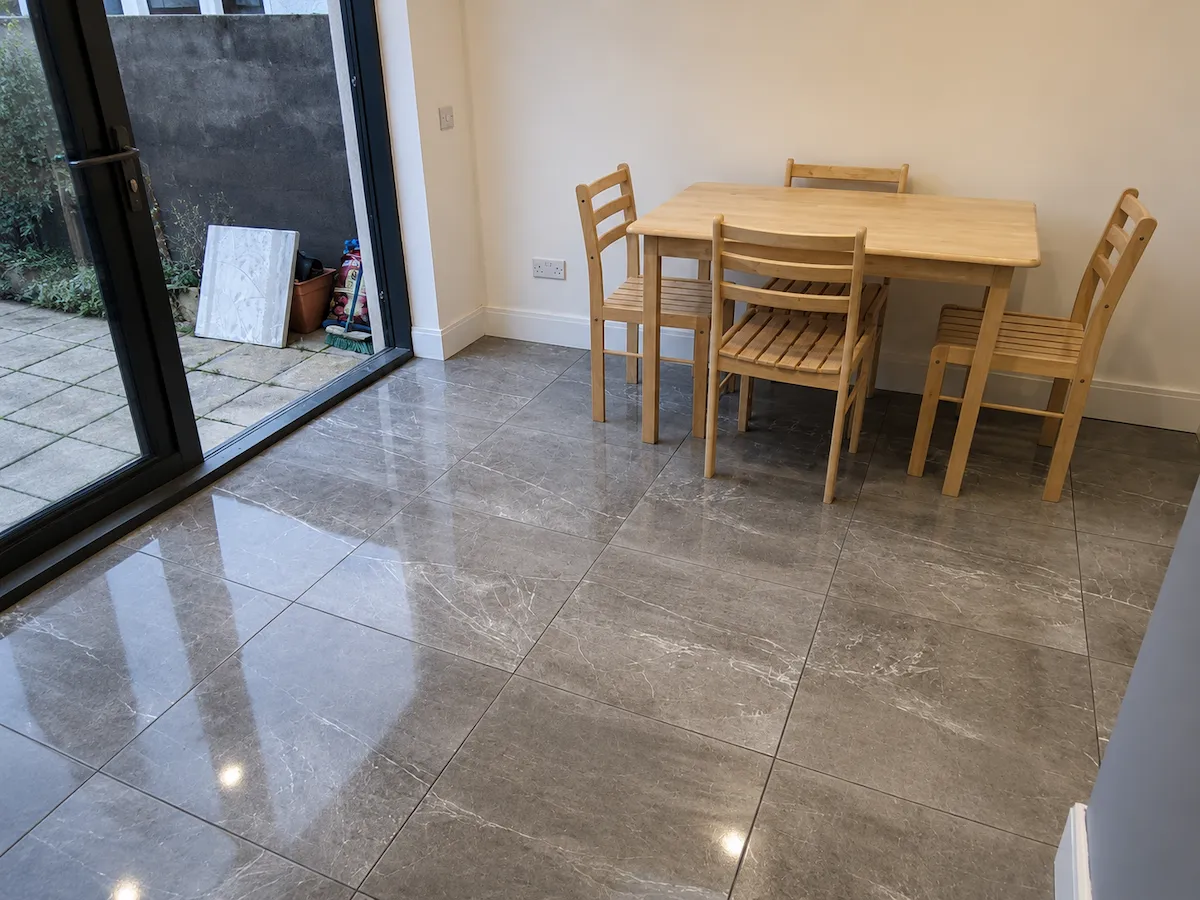
Porcelain floor tiles laid flat and level, Dublin
Large format floor tiles, Dublin
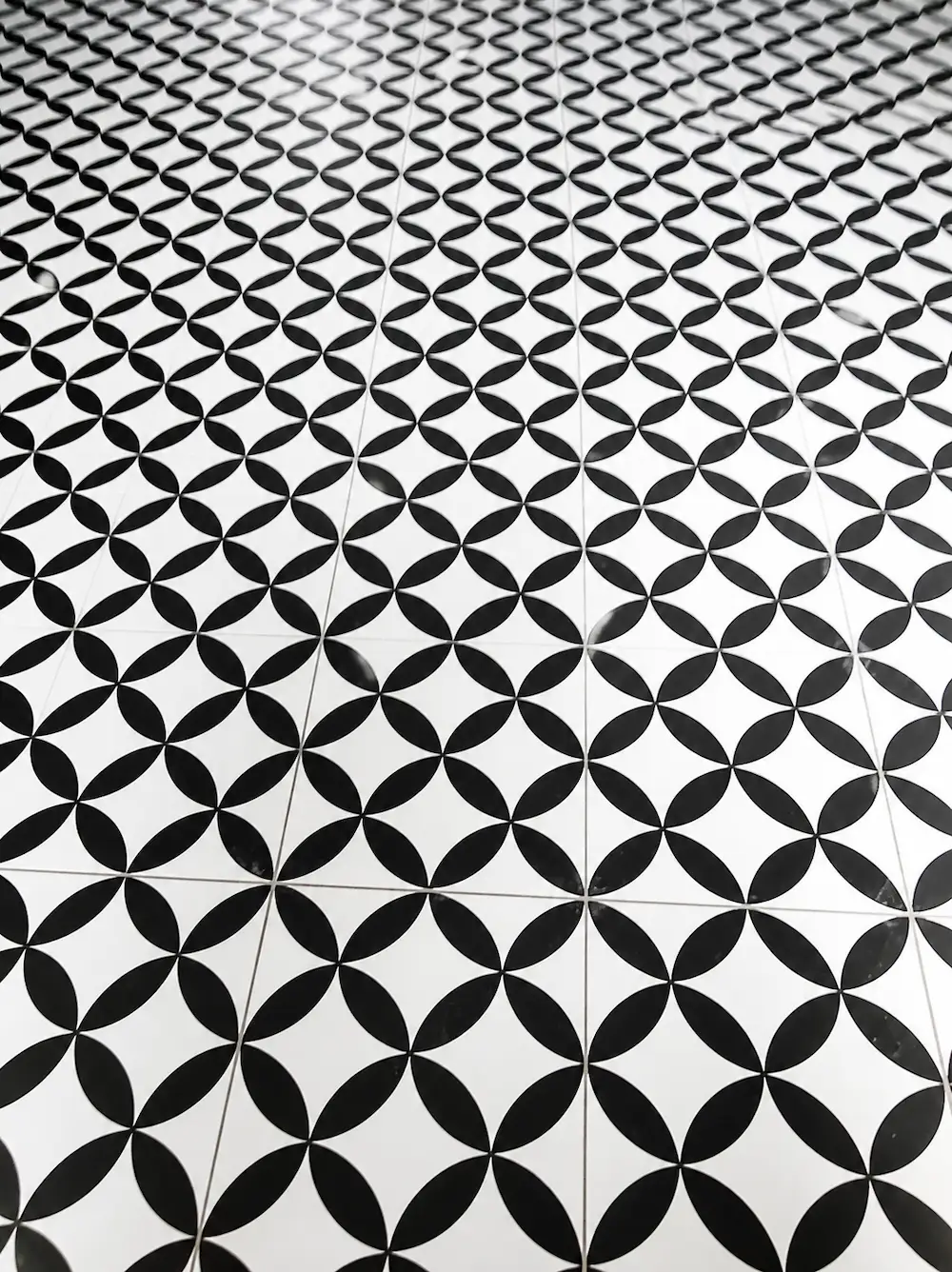
Hallway floor tiling, Dublin
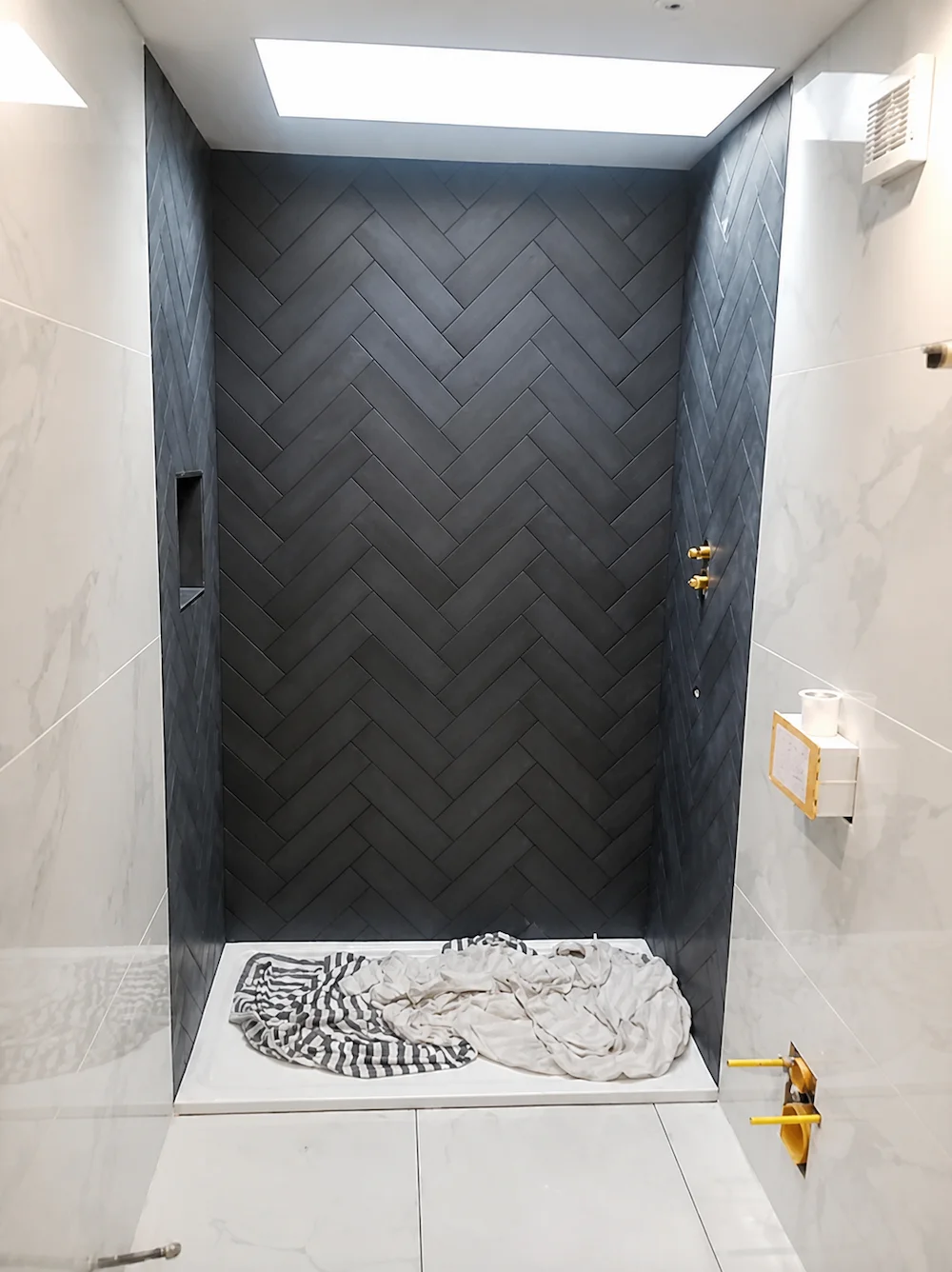
Feature wall tiling project, Dublin
Floor and wall tiling installation, Dublin

What Our Customers Say

Floor and hallway work Dublin homeowners rate 5.0 on Google

"Used GR Tiling in my own house. Bathroom done in 3 days. Also did flooring in hallway and kitchen for my mother-in-law. Superb job, over the moon. Highly recommend for fast, professional, friendly service."

Alan L

Tiling FAQs

Common questions about floor and wall tiling in Dublin.

Yes, but not by tiling straight onto the boards. A suspended timber floor flexes, and that movement cracks rigid tile and grout. We stiffen the deck first — over-boarding and extra noggins — then bond down a decoupling membrane so the tile is separated from the timber's movement. Only then do we fix with a flexible S1 or S2 adhesive. Skipping those steps is the usual reason a timber-floor tile job fails.

Self-levelling compound is a pourable mix that flows out to correct a floor that dips or slopes. Older Dublin floors 20mm out of level are common, and that unevenness is invisible until large-format tiles start lipping — edges sitting proud of each other. We prime the sound base first, then level it; for bigger deviations we use a latex screed. The flatter the bed, the bigger the tile you can lay cleanly. We confirm what your floor needs at survey.

Large-format tiles are less forgiving. They need a genuinely flat substrate, full back-buttering and solid-bed coverage rather than dot-and-dab, the correct notched trowel, and often levelling clips to stop lipping. That is more preparation, more time and more skill than standard porcelain. They look superb in a hallway or open-plan floor — the quote simply reflects the extra work. For what drives the price, see our tiling cost factors guide.

Porcelain is dense and barely absorbs water, so it resists frost and stains — ideal for busy floors and thresholds in the Irish climate. Ceramic is softer and more absorbent, cheaper, and well suited to walls and light-use floors. Natural stone like marble or limestone is beautiful but porous: it needs sealing, can etch and stain, and asks for more care. We talk through the trade-offs before you buy so the choice suits how the room is actually used.

Tile is the best possible finish over underfloor heating — it conducts heat well and turns a cold Dublin floor warm underfoot. Electric mats suit a single retrofit room; wet systems suit larger projects. We fix with a flexible adhesive and flexible grout, keep perimeter movement joints so the assembly can expand and contract, and heat the system up gradually per the manufacturer's instructions rather than blasting it on, which is what stresses the tile and grout.

Yes, on any sizeable floor. BS 5385 best practice calls for movement joints at floor perimeters against walls, over structural joints, at changes of substrate, across large areas and around the edges of underfloor-heated zones. They let the floor expand and contract without tenting or cracking. They are easy to leave out to save time, and leaving them out is a leading cause of a floor lifting later. We plan them into the layout from the start.

It depends on real factors, so we give a written quote rather than a fixed online price. What pushes it up: floors needing stiffening, levelling and decoupling; large-format or natural stone tiles; intricate patterns like herringbone; and awkward period-home access. What keeps it down: a sound existing substrate, standard-format porcelain and a simple straight lay. Our tiling cost factors page sets out what drives the price.

We do, but they are treated as their own crafts because the details differ. Wet zones need waterproofing and tanking, covered on our bathroom & shower tiling page, and kitchen work centres on splashbacks, covered under kitchen tiling & splashbacks. See everything together under our full tiling services.

Based in Dublin. Floor and wall tiling across the city — hallways in Rathmines and Ranelagh, living-room floors in Terenure and Rathgar, and homes from Blackrock to Blanchardstown.

Get your floor tiled properly the first time

Fifteen years in the trade, fully insured, Irish owned and operated. We survey the substrate, tell you honestly what it needs and put it in a written quote — on time, on budget, clean and tidy.